
Quantacraft Marine
Sense concept preview
Quantacraft Sense
Know the water, not just the weather.
Sense is an early wireless water-quality sensor concept for anglers and small-craft users. The idea is not that a sensor magically tells you where the fish are. It is that real conditions should be easier to measure, compare, and learn from.
Wireless Sensor Pod
Sense Pod

DO
7.8
Temp
68F
Note
Stable
The Problem
The water matters, but the data is hard to reach.
Anglers already pay attention to oxygen, temperature, clarity, inflows, and seasonal water changes, even when they do it by feel.
Useful water-quality data is usually scattered, delayed, expensive, or wrapped in tools that were not made for fishing days.
There is room for a simpler field tool that helps anglers notice changes and decide what is worth paying attention to.
Field Context
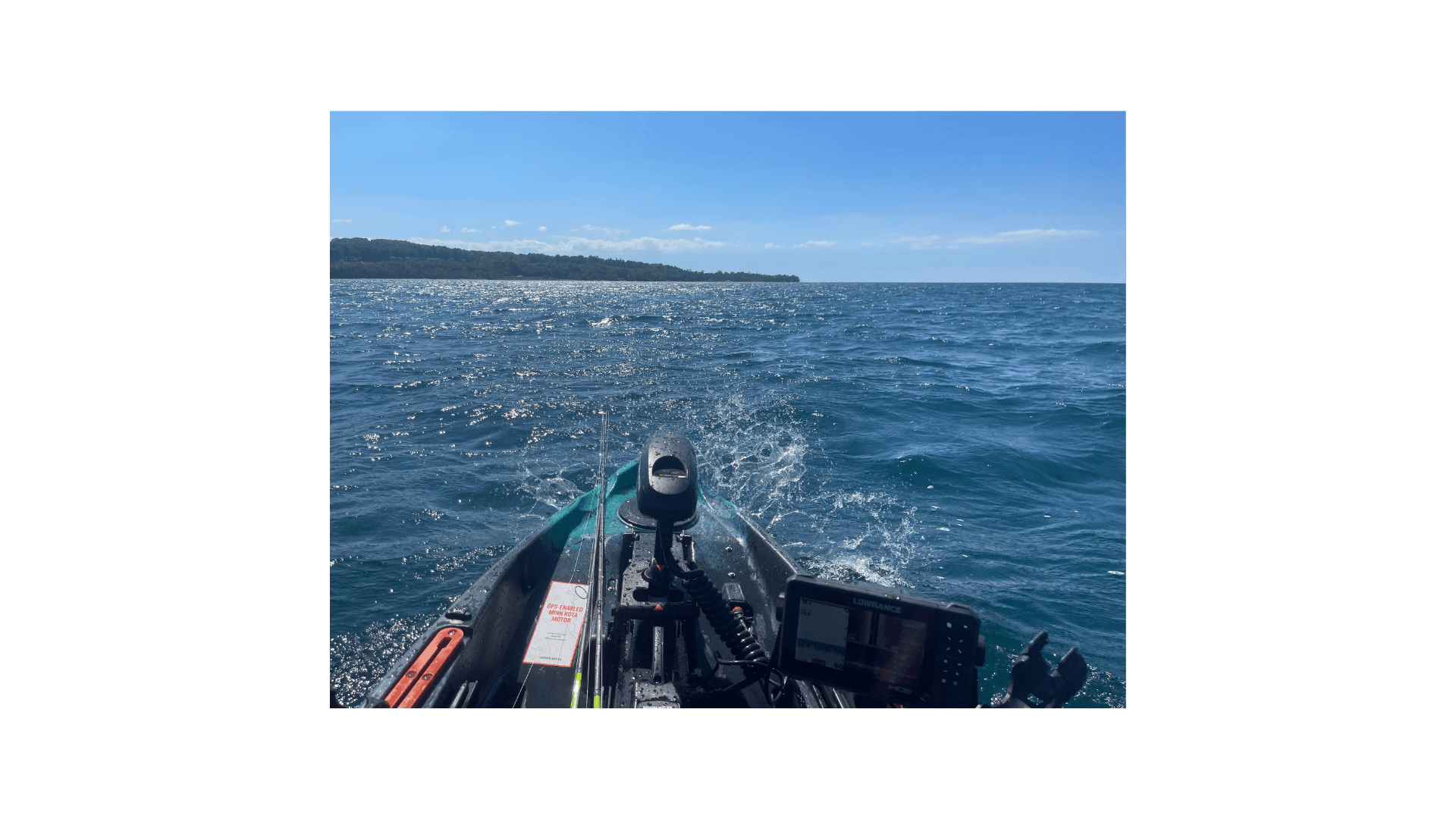
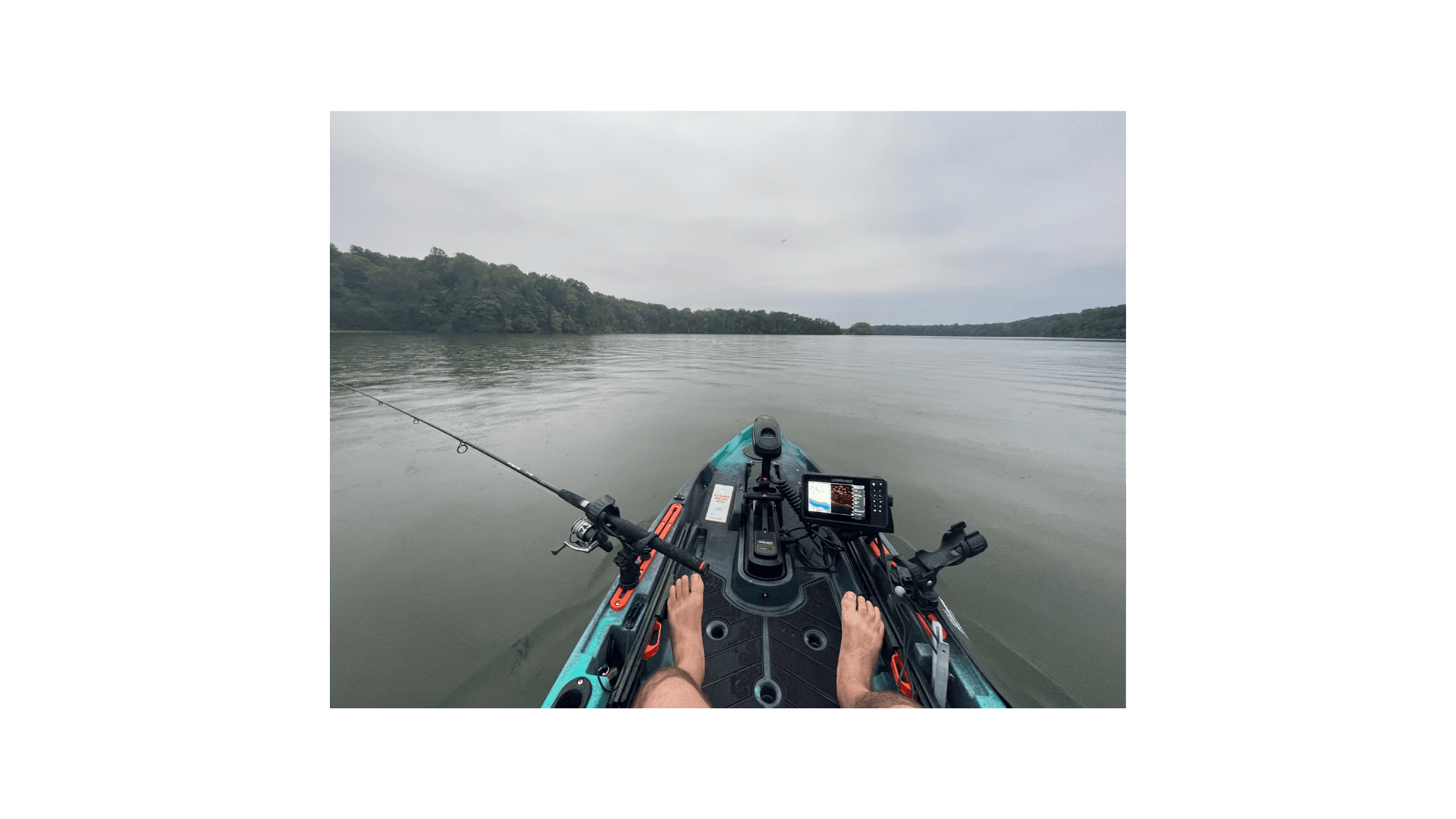
The concept starts on real fishing water.
The best version of Sense should fit the normal rhythm of a trip: launch, fish, mark the moments that matter, and review the water data later without turning the day into a lab session.
.png&w=3840&q=75)
Product Concept
A rugged pod that translates water into fishing context.
Sense is meant to give anglers a practical way to capture water conditions without carrying lab gear or needing to be a water-quality expert. The first target product is a rugged sensor pod tied to a mobile app that logs readings, marks fish activity, and helps testers figure out which variables are actually useful.
Rugged sensor pod
Bluetooth mobile app
GPS-tagged readings
Simple condition context
Kayak, boat, and livewell mounting
Initial Sensor Suite
Start with the readings worth testing in the real world.
Version 1 likely focuses on dissolved oxygen, temperature, and conductivity. The point is to test which signals matter to anglers before acting like the product already has all the answers.
Dissolved Oxygen
A way to track oxygen-rich and low-oxygen water, then see whether those readings line up with real trips.
Temperature
A baseline reading for seasonal movement, inflows, depth changes, and the way water shifts over a trip.
Conductivity
A signal for salinity, dissolved ions, inflows, and other changes anglers may notice but rarely have numbers for.
Turbidity
A way to put numbers around clarity, runoff, sediment, and visibility changes from one spot to the next.
pH
Probably more useful for conservation, chemistry context, and pro workflows than everyday fishing decisions.
Mounting Concepts
Two starting formats for real small-craft use.
.png&w=3840&q=75)
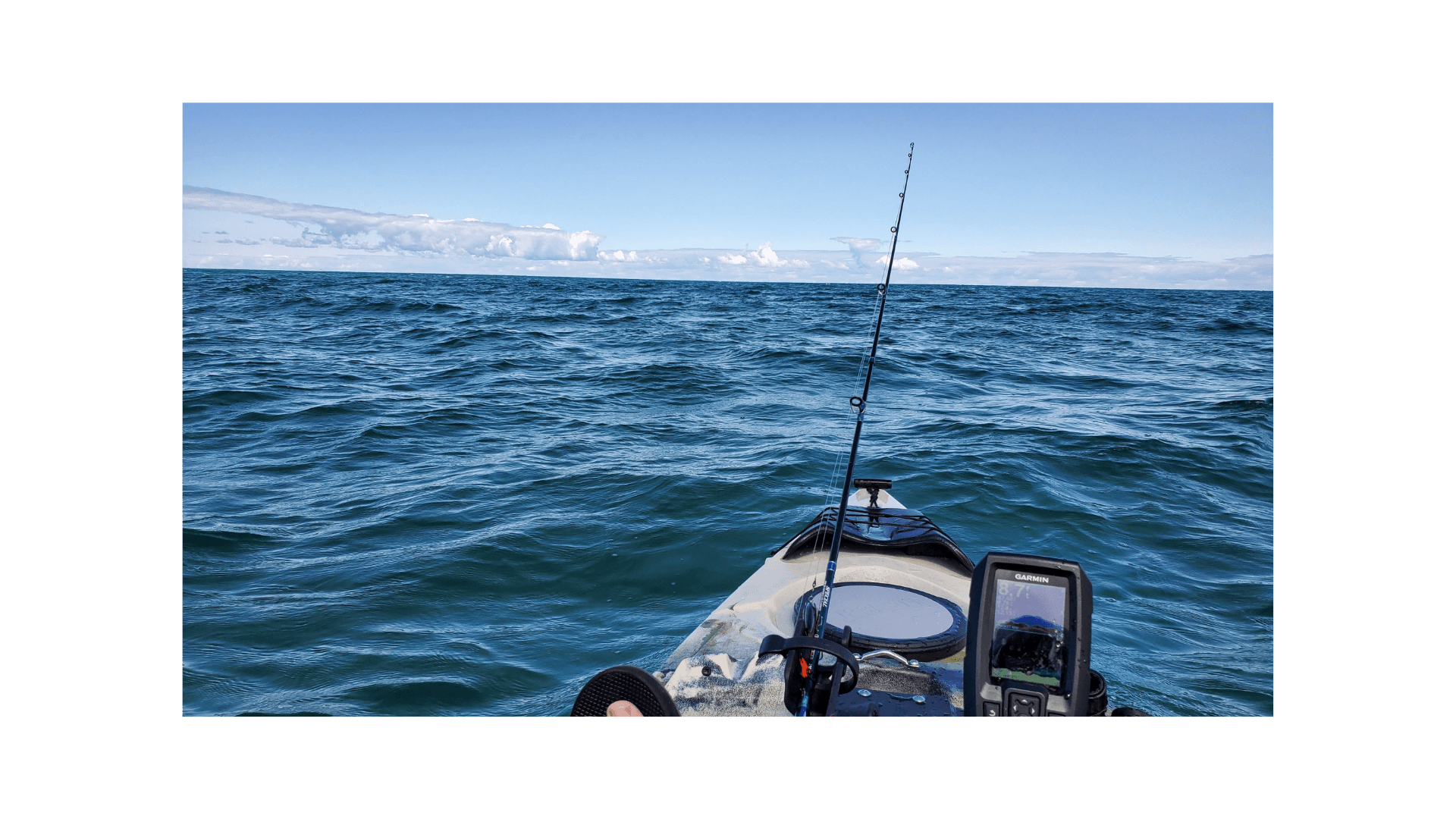
Sense Kayak
Scupper-mounted model for kayak anglers who want the sensor in the water with as little extra rigging as possible.
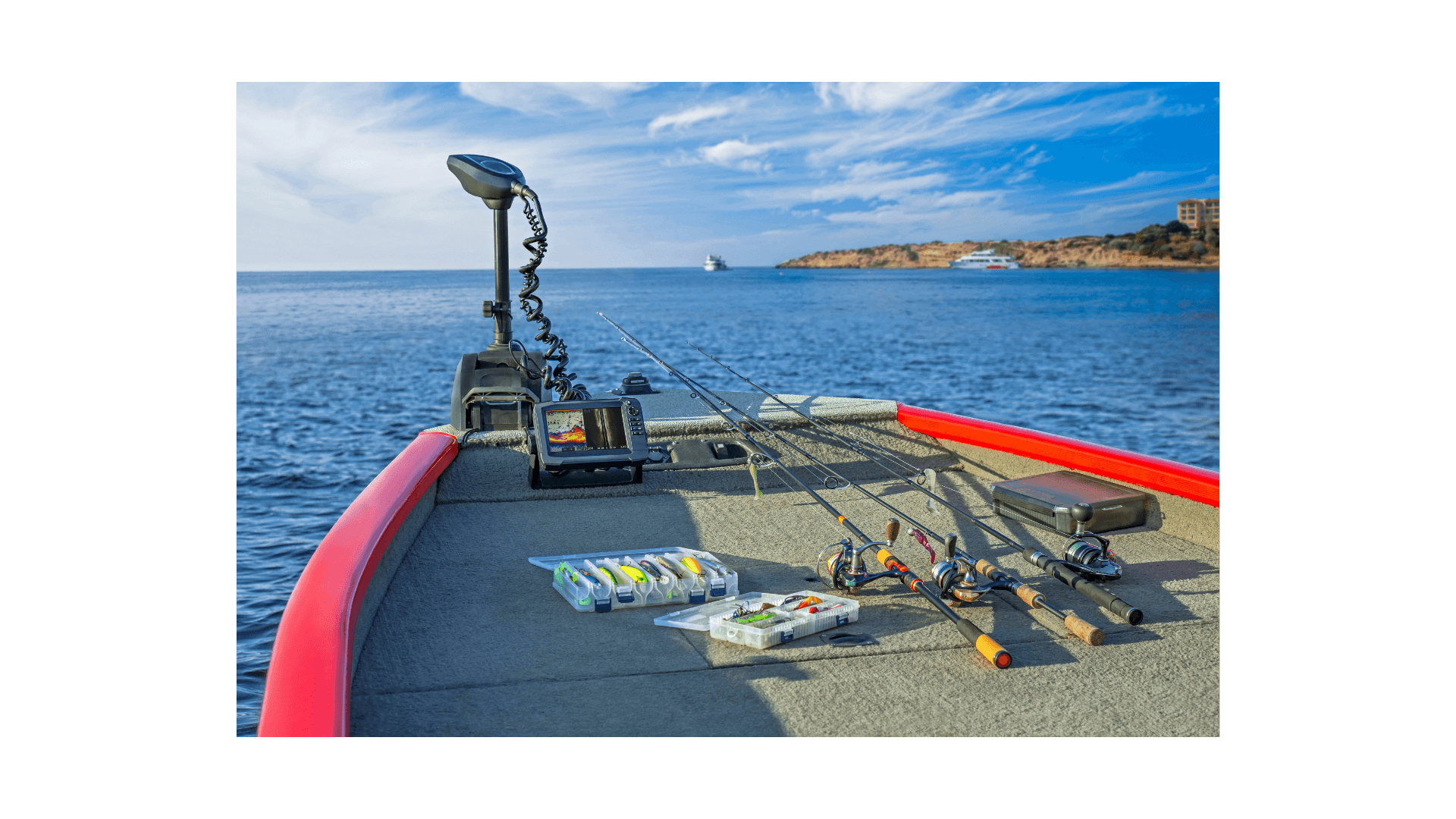
Sense Universal
Over-hull, transom, or side-mounted model for boats, livewells, docks, and test rigs where a scupper mount does not make sense.
App Experience
A trip log for what the water was doing.
The app concept keeps the science in the background. The useful view is simple: what changed, where it changed, and what the readings looked like when something worth noting happened.
Current Spot
North Cove
Water Context
Stable
Nothing here claims fish are present. It just says this spot is worth comparing with the rest of the route.
Possibilities Worth Testing
The interesting part is what anglers could learn over time.
A single reading is only a clue. The bigger opportunity is building a useful record across trips, seasons, spots, and different kinds of water so patterns can be tested instead of guessed.
Fishing Patterns
Compare the water around catches, follows, dead stretches, and productive banks without assuming one reading explains the whole day.
Guide And Tournament Notes
Build a cleaner record of what changed across a route, a practice day, or repeat trips to the same water.
Livewell And Fish Care
Explore whether oxygen and temperature alerts could help anglers keep a closer eye on conditions around held fish.
Local Water Awareness
Give anglers, clubs, and conservation-minded users a practical way to notice unusual changes and build a shared local picture over time.
Learning Loop
Let the users teach the system what matters.
Sense would be strongest as an open feedback loop with anglers, not a black box pretending it knows the answer. Think less guaranteed fish finder and more condition-aware trip recorder.
Route-wide logging
Track readings across the whole paddle or boat run so users can review what changed over time instead of relying on one snapshot.
Catch markers
Let an angler tap a button after a catch, follow, or useful observation and save the location, timestamp, and water readings from that moment.
Pattern review
Help users compare productive spots against quiet water and look for signals that may have lined up with better fishing.
Tester feedback
Use early trips to learn which metrics, combinations, and alerts are useful enough to deserve a place in the product.
Feedback Questions
The next step is angler feedback.
Sense is early enough that honest reactions can shape the first hardware, sensor priorities, mounting approach, and price target.
Question 1
Would real-time dissolved oxygen matter to you?
Question 2
Which sensors would actually influence how you fish?
Question 3
Would you tap a catch marker if it helped build better trip data?
Question 4
What would you want to review after a full route: averages, spikes, maps, or catch overlays?
Question 5
Would a scupper-mounted pod feel natural or risky?
Question 6
What price range would serious anglers tolerate?
Question 7